

High Intensity Care

Bowel Care
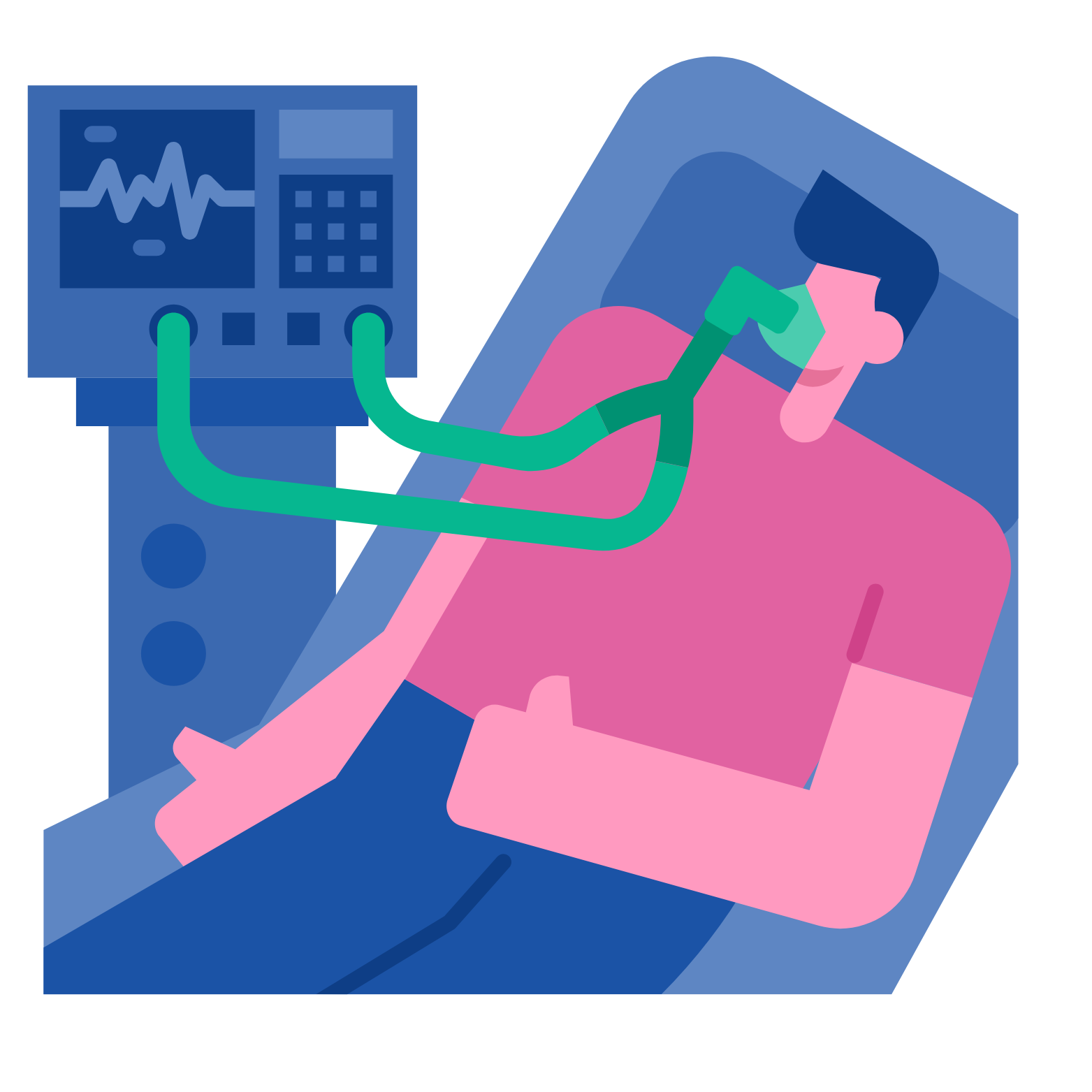
Ventilator support

Catheter Care

PEG Feeding
High Intensity Care in Adelaide
High intensity care is for NDIS participants in Adelaide with complex health and daily support needs — including ventilator support, PEG feeding, bowel care and catheter care. Support is delivered by registered nurses and specially trained support workers, following the NDIS High Intensity Support Skills Descriptors, so you and your family can feel safe and confident. Call 0430 080 008 or email admin@sherpasupportservices.com.au to get started.
Frequently asked questions
What are high intensity daily personal activities?
They are NDIS supports for participants with complex health needs, suc
How high-intensity support is planned
High-intensity supports are arranged around the participant’s assessed disability-related needs, documented care requirements and preferred routines. Before services begin, we review the information available, identify the skills and training required, and confirm that Sherpa can safely deliver the requested support.
A trained and supported team
Workers providing high-intensity support receive training relevant to the participant’s care needs and work within agreed procedures. Our nurse-led approach provides clinical oversight, clear escalation pathways and ongoing communication when needs or circumstances change.
Person-centred service delivery
Participants remain involved in decisions about how support is delivered. We consider communication preferences, daily routines, cultural needs, goals and the importance of consistency when matching workers and planning shifts. Care arrangements are reviewed when required so supports remain appropriate.
Making a referral
Participants, families, support coordinators and health professionals can contact Sherpa to discuss high-intensity NDIS support across Adelaide. We will ask for relevant information, explain our assessment process and confirm whether we have the right capability and availability. Call 0430 080 008 or email admin@sherpasupportservices.com.au.h as PEG feeding, tracheostomy and ventilator care, complex bowel care, subcutaneous injections, urinary catheter care and seizure management.
Are your staff trained for high intensity supports?
Yes. Our care is nurse-led, and our support workers are trained and assessed in line with the NDIS High Intensity Support Skills Descriptors.
Which areas do you service?
We support participants across Adelaide and surrounding suburbs in South Australia, 24 hours a day, 7 days a week.
You might also like to read about our community nursing and supported accommodation in Adelaide, browse our FAQ, or contact us to get started.